
Designing a custom outdoor kitchen layout from scratch starts with clear planning, smart space use, and the right materials. A well-planned layout improves cooking efficiency, enhances outdoor entertaining, and creates a comfortable environment for family and guests.
Planning the Foundation of Your Outdoor Kitchen
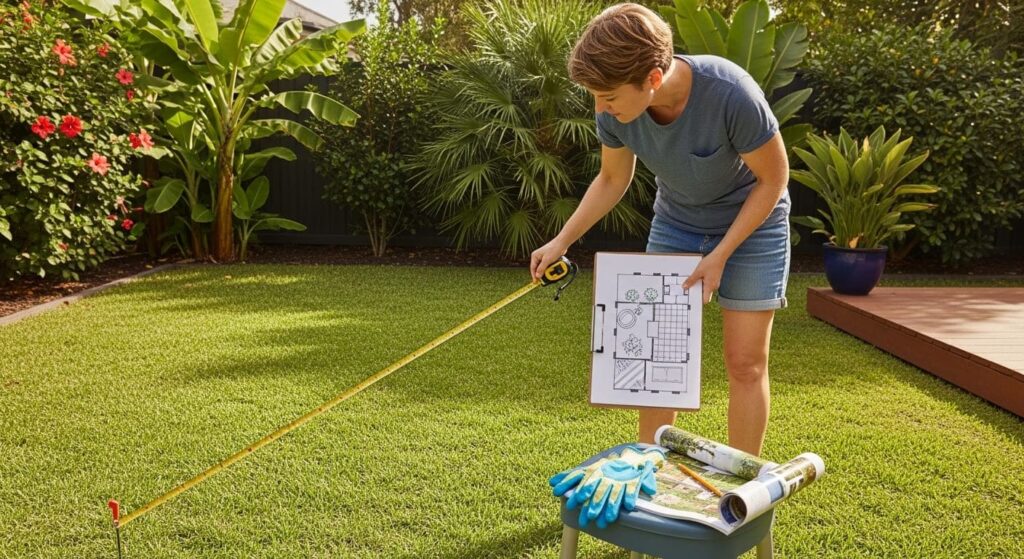
Every outdoor kitchen begins with a vision. Homeowners should first determine how they plan to use the space. Some kitchens focus on entertaining guests. Others prioritize cooking convenience. Start by measuring the available outdoor area. Consider patios, decks, or backyard spaces that allow easy movement. In addition, evaluate sun exposure, wind direction, and drainage. These factors affect comfort and appliance performance.
Next, determine how many people will use the kitchen regularly. This helps plan seating, preparation zones, and dining areas. As a result, the layout remains functional without feeling crowded. Understanding the custom outdoor kitchen construction process helps homeowners plan effectively.
Key Zones in a Custom Outdoor Kitchen Layout
A good layout separates cooking tasks into organized zones. This approach improves workflow and prevents congestion during busy cooking sessions. The most common zones include cooking, preparation, cleaning, and serving areas. When these zones are arranged correctly, movement becomes efficient.
Essential zones include:
- Cooking station with grill or cooktop
- Food preparation counter space
- Refrigeration or cooling storage
- Sink and cleaning station
- Serving or dining area nearby
- Storage cabinets for utensils and tools
- Bar seating for guests
Separating these zones allows the chef to move smoothly between tasks. Our projects of outdoor kitchen installation in Port Royal create luxurious outdoor spaces with grills, countertops, and seating areas.
Choosing Materials for Durability and Style
Outdoor kitchens face weather conditions daily. Therefore, selecting durable materials is essential for long-term performance. Popular materials include stainless steel cabinets, natural stone counters, and concrete bases. Stainless steel resists corrosion and moisture. Stone surfaces provide strength and natural beauty. Meanwhile, sealed concrete structures offer stability and modern design.
Granite countertops are also common in outdoor kitchens. They tolerate temperature changes and heavy use. High-quality materials reduce maintenance and improve longevity.
Material selection plays a major role in durability and visual appeal. Weather-resistant surfaces ensure long-term performance outdoors. Many homeowners explore outdoor kitchen design and build material selection solutions to achieve both strength and a modern aesthetic.
Outdoor Kitchen Layout Types
Different layout styles work for different spaces. Selecting the right layout ensures the kitchen remains functional and visually appealing.
Common Outdoor Kitchen Layout Options
| Layout Type | Best For | Features |
| Straight Line Layout | Small patios | Simple design with appliances in one row |
| L-Shaped Layout | Medium spaces | Efficient corner layout with prep area |
| U-Shaped Layout | Large kitchens | Maximum counter space and storage |
| Island Layout | Entertaining spaces | Central cooking station with seating |
| Parallel Layout | Professional kitchens | Separate cooking and prep lines |
Each layout provides different advantages depending on available space and cooking needs.
Designing Around Naples Landmarks
Location awareness can influence outdoor kitchen design. Contractors often plan projects based on nearby landmarks to simplify navigation and material delivery. For example, projects located near Naples High School, The Dock at Crayton Cove Restaurant, Publix Super Market, Tony’s Off Third Bakery, and Walgreens Pharmacy allow easier supplier access and smoother logistics. These recognizable landmarks help contractors and delivery teams reach the site quickly and efficiently.
Additionally, landmarks make it easier for service technicians to locate properties during maintenance visits.
Steps to Design a Custom Outdoor Kitchen Layout
Creating a custom outdoor kitchen layout involves several structured steps. Following a systematic process ensures the final design meets both functional and aesthetic goals. First, determine the purpose of the kitchen and available space. Next, select appliances such as grills, refrigerators, and sinks. After that, design the layout zones to support the cooking workflow.
Then choose durable materials for countertops, cabinets, and flooring. Finally, plan lighting, shade structures, and seating areas to enhance comfort. This step-by-step process allows homeowners to build a kitchen that matches their lifestyle.
Utility Planning and Infrastructure
Utilities play an important role in outdoor kitchen performance. Gas, water, and electrical systems must be installed safely and professionally. Gas lines power grills and cooktops. Water lines connect sinks and cleaning stations. Electrical outlets support refrigerators, lighting, and small appliances.
Proper placement of these utilities improves efficiency and prevents future modifications. Therefore, professional planning is strongly recommended.
Budget Considerations for Outdoor Kitchen Layouts
Cost planning helps homeowners stay within budget while building a high-quality outdoor kitchen. Several factors influence total costs, including materials, appliances, and labor. Small kitchens may cost between $5,000 and $10,000. Mid-range kitchens often range from $10,000 to $20,000. Large custom kitchens can exceed $30,000 depending on features and materials.
Additional features such as pergolas, lighting systems, pizza ovens, and built-in seating increase the overall investment. However, these upgrades also improve usability and property value.
Budget planning helps control expenses while maintaining quality and functionality. Understanding cost factors allows better decision-making. Reviewing the complete cost of custom outdoor kitchen construction guide helps homeowners estimate investment and avoid unexpected costs.
Design Tips for an Efficient Outdoor Kitchen
Smart design choices improve the functionality of any outdoor kitchen layout. Even small adjustments can make cooking easier and more enjoyable.
Consider these design tips:
- Maintain at least three feet of walking space around appliances
- Place the grill near the preparation area
- Install shade structures to protect cooking equipment
- Use task lighting for evening cooking
- Include storage cabinets to reduce clutter
- Choose weather-resistant flooring materials
These improvements create a comfortable and efficient cooking environment.
Maintenance and Long-Term Care
A well-designed outdoor kitchen should remain functional for many years. However, regular maintenance ensures appliances and surfaces stay in excellent condition. Clean grills and countertops after use. Cover appliances during heavy rain or extreme sunlight. In addition, inspect gas connections and electrical outlets periodically.
Proper care protects your investment and keeps the kitchen ready for entertaining.
Final Thought
Designing a custom outdoor kitchen layout from scratch requires thoughtful planning, durable materials, and a functional workflow. By organizing cooking zones, selecting weather-resistant materials, and installing utilities properly, homeowners can create a beautiful and practical outdoor cooking space that enhances both lifestyle and property value.
Ready to design your perfect outdoor cooking space? The experts at Naples Outdoor Kitchens & Renovations are here to help. We specialize in custom outdoor kitchen design and installation. Call us today at +12393503353 to schedule your consultation and bring your outdoor kitchen vision to life.